

- Key Takeaways
- Why does financial preparation matter before starting a renovation project, and how does it prevent costly mistakes later?
- What should homeowners evaluate before committing to a renovation to ensure the project scope is realistic and achievable?
- How do you build a realistic renovation budget that accounts for both expected costs and unpredictable financial changes?
- What should be included in a pre-renovation readiness checklist to ensure a smooth project start without delays or compliance issues?
- How do you choose the right contractors while balancing cost, quality, and reliability in a competitive market?
- What hidden renovation costs should homeowners anticipate to avoid financial surprises during construction?
- How can homeowners manage renovation timelines effectively to reduce delays and prevent budget overruns?
- How should homeowners prioritize renovation decisions when budget limitations require strategic trade-offs?
- What role does contingency planning play in ensuring renovation success under uncertain conditions?
- How do material choices influence long-term renovation costs and overall financial efficiency?
- How should payment structures be organized to maintain financial control throughout the renovation process?
- How can homeowners maintain oversight and control during active renovation without disrupting workflow?
- Final Thoughts: Building a financially disciplined approach to home renovation success
Key Takeaways
- Careful financial preparation before starting a renovation helps prevent overspending, delays, and decision fatigue once construction begins.
- Clearly defining project scope and evaluating structural conditions early ensures homeowners avoid unrealistic expectations and costly surprises.
- Breaking down expenses into detailed categories provides better visibility and control over where money is being spent throughout the project.
- A well-structured readiness checklist—covering permits, contracts, design approvals, and materials—helps ensure a smooth and delay-free project start.
- Contractor selection should prioritize experience, transparency, and reliability rather than focusing only on the lowest bid.
- Hidden costs such as structural repairs, system upgrades, and permit adjustments should always be anticipated and accounted for in advance.
- Consistent oversight during construction, along with milestone-based planning, helps keep both timelines and expenses under control.
Home renovation is rarely a simple upgrade. It is a layered financial and logistical undertaking that requires careful coordination between design decisions, contractor availability, material sourcing, and budget control. Many homeowners begin with excitement and inspiration, only to find that costs escalate quickly once demolition begins and unexpected issues surface behind walls, floors, and outdated systems.
A successful renovation is not just about choosing the right tiles, paint colors, or layouts. It is about building a financial framework that supports every stage of the project without causing stress, delays, or compromises in quality. This is where a structured planning approach becomes essential. When homeowners take the time to organize expenses, anticipate risks, and define priorities early, they dramatically increase the chances of completing a renovation on time and within budget.
This guide walks through a comprehensive planning system designed for financially prepared homeowners. It breaks down each phase of renovation into manageable steps so you can approach your project with clarity, confidence, and control.
Why does financial preparation matter before starting a renovation project, and how does it prevent costly mistakes later?
Renovation projects are notorious for cost overruns, and the primary reason is not poor design—it is incomplete planning. Homeowners often underestimate hidden costs such as structural repairs, permit requirements, or material price fluctuations. In many cases, the excitement of upgrading a home leads to rushed decisions that overlook long-term financial consequences.
Financial preparation ensures that every decision is grounded in reality rather than assumption. It also provides flexibility when unexpected issues arise, preventing panic-driven compromises or project stoppages. Without a financial framework, even small changes—such as upgrading tile quality or shifting a wall—can multiply costs significantly.
A well-prepared financial plan allows you to:
- Define realistic project limits before work begins
- Avoid impulsive design changes that inflate costs
- Maintain steady progress without cash flow interruptions
- Reduce reliance on last-minute borrowing or credit
- Make informed trade-offs when adjustments are necessary
Without a financial structure, even a simple renovation can spiral into a long, stressful, and expensive experience that affects both household stability and long-term financial goals.
What should homeowners evaluate before committing to a renovation to ensure the project scope is realistic and achievable?

Before any design plans are drawn or contractors are contacted, homeowners need to assess the full scope of their project. This stage is about clarity—not action. Many renovation failures begin with skipping this step or underestimating the complexity of the work involved.
A proper evaluation helps prevent mismatched expectations between what homeowners want and what their home can realistically support.
Key areas to evaluate include:
Structural condition of the home and potential underlying issues
Older homes may require foundational repairs, roof reinforcement, plumbing replacement, or electrical rewiring before cosmetic improvements can begin. These hidden conditions often determine whether a renovation is minor or extensive.
Functional priorities based on lifestyle needs
Identify what is driving the renovation. Is it space optimization for a growing family, improved energy efficiency, resale value, or damage repair? Clear priorities help avoid unnecessary spending on non-essential upgrades.
Project scale and complexity classification
Renovations typically fall into three categories:
- Cosmetic upgrades such as paint, fixtures, and minor improvements
- Moderate remodels involving kitchens, bathrooms, or partial layout changes
- Full-scale renovations that include structural redesign and multiple system upgrades
Understanding where your project falls prevents unrealistic budgeting and scheduling assumptions.
Timeline expectations and external dependencies
Timelines depend on contractor availability, permit approvals, and material lead times. Even small delays in one area can affect the entire schedule.
This early evaluation phase prevents unrealistic expectations and lays the foundation for effective budgeting decisions later.
How do you build a realistic renovation budget that accounts for both expected costs and unpredictable financial changes?
A renovation budget should never be based on guesswork or generic online estimates. It must reflect the actual condition of your home, your design goals, and local construction costs. One of the most effective approaches is breaking the budget into detailed categories rather than treating it as a single lump sum.
This method provides visibility and control over each spending area.
Core budget categories every homeowner should include for financial clarity
- Demolition and preparation costs, including disposal and site protection
- Structural repairs such as foundation work, framing, or reinforcement
- Plumbing and electrical system upgrades or replacements
- Materials and finishes, including flooring, tiles, cabinetry, and paint
- Labor and contractor fees across different project phases
- Permits, inspections, and regulatory compliance costs
- Interior design, furnishing, and decorative elements
- Contingency reserve for unexpected expenses or design adjustments
Each category should include a realistic range rather than a fixed number. This allows flexibility when market prices fluctuate or when project discoveries require adjustments.
At this stage, managing expenses becomes more effective when homeowners focus on managing a home renovation budget as a structured system rather than a single number. Tracking expenses by category helps identify which areas are exceeding expectations early, allowing for timely corrections before financial strain builds up.
A strong budget also includes a contingency reserve of 10–20 percent of total costs. This buffer is essential because even well-planned renovations frequently encounter hidden issues once walls, floors, or systems are opened.
What should be included in a pre-renovation readiness checklist to ensure a smooth project start without delays or compliance issues?
Before any physical work begins, homeowners should complete a detailed readiness checklist. This ensures the project starts smoothly and avoids early-stage disruptions that can cause costly delays.
This phase is often overlooked, yet it has a direct impact on project efficiency and financial stability.
Documentation, permits, and legal preparation for compliance assurance
- Verify building permits required for structural or electrical changes
- Review zoning restrictions and local construction codes
- Secure homeowner association approvals if applicable
- Ensure contractor licenses and insurance are valid
Contractor alignment and contract finalization for accountability
- Confirm written contracts with a detailed scope of work
- Establish payment schedules tied to measurable milestones
- Clarify warranty coverage and post-project support terms
- Define procedures for handling changes or unexpected work
Design finalization and material readiness to avoid mid-project changes
- Approve architectural drawings and layout plans
- Finalize all material selections before construction begins
- Confirm the availability of key fixtures to prevent delays
- Order long-lead items early to avoid scheduling disruptions
Home preparation and temporary relocation planning if needed
- Clear work areas and protect unaffected spaces
- Arrange temporary storage for furniture and valuables
- Plan alternative living arrangements for major renovations
- Install protective coverings for floors and surfaces
Completing this checklist ensures that construction begins with minimal uncertainty and reduces the likelihood of expensive interruptions.
How do you choose the right contractors while balancing cost, quality, and reliability in a competitive market?
Contractor selection is one of the most important financial decisions in any renovation. The wrong choice can lead to delays, poor workmanship, and escalating costs. The right choice ensures smooth execution and predictable outcomes.
Key evaluation factors when comparing contractors for your renovation project
- Proven experience with similar project types and home structures
- Transparent pricing with itemized breakdowns instead of lump sums
- Verified licenses, certifications, and insurance coverage
- Strong reputation supported by references and past client feedback
- Communication clarity and responsiveness during early discussions
Homeowners should always obtain multiple quotes before making a decision. However, comparing only the final price can be misleading. One contractor may appear cheaper because they exclude critical work or use lower-quality materials.
A reliable contractor should be able to explain not just what will be done, but why each cost is necessary. This transparency is often a stronger indicator of value than price alone.
What hidden renovation costs should homeowners anticipate to avoid financial surprises during construction?
Hidden costs are one of the biggest sources of financial stress during renovations. These expenses are not always visible during planning but often appear once work begins.
Common hidden costs include:
- Structural issues such as damaged beams or weakened foundations
- Outdated electrical systems requiring full rewiring
- Plumbing replacements due to corrosion or leaks
- Permit revisions or unexpected inspection requirements
- Delivery fees for specialized materials or equipment
- Temporary housing or storage expenses during construction
These costs can significantly affect the overall budget if not anticipated early. A well-prepared homeowner assumes that at least some level of hidden work will occur and builds flexibility into their financial plan.
How can homeowners manage renovation timelines effectively to reduce delays and prevent budget overruns?
Time management is closely linked to cost control. Delays often increase labor expenses, extend equipment rentals, and disrupt material schedules.
To maintain control over timelines:
- Create milestone-based schedules tied to specific deliverables
- Confirm material delivery timelines before construction starts
- Avoid mid-project design changes unless absolutely necessary
- Conduct weekly progress reviews with contractors
- Document all schedule adjustments in writing
A well-managed timeline keeps all stakeholders aligned and reduces inefficiencies that can unnecessarily escalate costs.
How should homeowners prioritize renovation decisions when budget limitations require strategic trade-offs?
Most renovation projects require prioritization, especially when financial limits come into play. Not all upgrades can be completed at once, and understanding what matters most ensures smarter decision-making.
A structured priority system typically includes:
- Safety and structural integrity improvements
- Essential system upgrades, such as plumbing and electrical work
- Functional enhancements like layout improvements and storage optimization
- Aesthetic upgrades, including finishes, décor, and styling
This hierarchy ensures that critical needs are addressed first, while optional improvements can be delayed or phased over time.
What role does contingency planning play in ensuring renovation success under uncertain conditions?
No renovation is completely predictable. Even with careful planning, unexpected issues will arise. Contingency planning provides a safety net that keeps the project moving forward without financial disruption.
A strong contingency plan includes:
- Dedicated emergency funds separate from the main budget
- Flexible material alternatives in case of shortages
- Backup suppliers or vendors for critical items
- Adjustable timelines for non-essential tasks
This approach transforms uncertainty from a risk into a manageable variable.
How do material choices influence long-term renovation costs and overall financial efficiency?
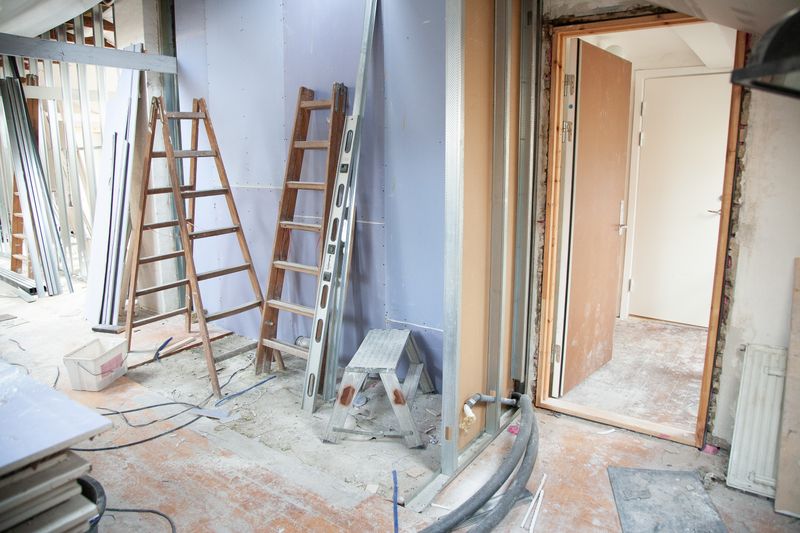
Material selection has a direct impact on both upfront costs and long-term maintenance expenses. While premium materials may increase initial spending, they often reduce repair and replacement costs over time.
Smart material planning involves:
- Comparing durability and maintenance requirements
- Selecting high-quality materials for high-traffic areas
- Mixing premium finishes with cost-effective base materials
- Avoiding unnecessary customization that increases fabrication costs
Balanced material decisions help homeowners achieve both aesthetic appeal and financial efficiency.
How should payment structures be organized to maintain financial control throughout the renovation process?
A structured payment system protects homeowners from financial risk while ensuring contractors remain motivated to complete work efficiently.
Common payment structures include:
- Initial deposit to secure project scheduling
- Milestone-based payments tied to completed work stages
- Final payment after inspection and approval of all work
Avoiding large upfront payments reduces exposure to incomplete or delayed projects and ensures accountability throughout the process.
How can homeowners maintain oversight and control during active renovation without disrupting workflow?
Active oversight is essential once construction begins. Many budget issues arise not from poor planning, but from lack of monitoring during execution.
Effective oversight strategies include:
- Regular site visits or virtual progress updates
- Written documentation of all changes and approvals
- Tracking actual expenses against budget categories
- Immediate resolution of issues as they arise
Consistent involvement ensures that the project remains aligned with both financial and design expectations.
What post-renovation expenses should homeowners prepare for after construction is completed?
Renovation costs often continue even after the final inspection. Post-project expenses can include minor corrections, finishing touches, and home setup costs.
Common post-renovation costs include:
- Paint touch-ups and minor repairs
- Warranty-related fixes or adjustments
- Furniture, appliances, and interior styling
- Utility system calibration or optimization
Planning for these expenses ensures a smoother transition into the newly renovated space.
Final Thoughts: Building a financially disciplined approach to home renovation success
A successful renovation is not defined solely by design quality or aesthetic appeal, but by how well the entire process is planned and executed. Financial discipline, structured preparation, and consistent oversight are what transform a complex renovation into a controlled, predictable experience.
Homeowners who invest time in detailed planning, realistic budgeting, and contingency preparation are far more likely to achieve results that align with both their vision and financial capacity. With the right approach, renovation becomes less of a financial burden and more of a strategic investment in long-term comfort, functionality, and property value.
