

Acquiring a commercial real estate property represents a significant financial undertaking for any investment group, private equity firm, or business entity. Whether purchasing an industrial warehouse, a suburban retail center, or a multi-story office building, the transaction involves substantial capital allocation and long-term strategic planning. While financial audits, rent roll verifications, and title searches provide essential legal and monetary insights, physical due diligence exposes the true mechanical and structural state of the real asset. Without a comprehensive physical evaluation, an investor risks inheriting hidden structural defects, failing building systems, and immediate capital expenditure burdens that can rapidly degrade overall deal returns.
A structured pre-acquisition physical inspection mitigates these operational and financial hazards effectively. By assessing every major physical element prior to finalizing a purchase contract, buyers secure vital leverage during price renegotiations, establish accurate immediate post-closing budgets, and protect their long-term equity investment. Engaging an experienced commercial contractor early in the review process guarantees that all structural, mechanical, architectural, and site elements undergo rigorous scrutiny. This comprehensive checklist provides property buyers with a systematic framework for evaluating physical assets before closing escrow.
Knowing the precise operational status of every building system removes financial ambiguity, allowing investors to present clear underwriting models to lenders and investment committees.
Table of Contents
- Exterior Building Envelope and Roof System Inspections
- Logistics Infrastructure, Delivery Bays, and Site Signage
- Mechanical, Electrical, and Plumbing System Audits
- Heating, Ventilation, Air Conditioning, and Indoor Air Quality
- Interior Architectural Finishes, Subfloor Integrity, and Spatial Layouts
- Life Safety, Fire Protection, and Life-Safety Code Compliance
- Capital Expenditure Forecasting and Life Cycle Cost Modeling
- Post-Closing Remediation and Value-Add Renovation Execution
- Finalizing the Pre-Acquisition Strategy
Exterior Building Envelope and Roof System Inspections
The building envelope serves as the initial line of defense against environmental exposure, weather extremes, and continuous structural stress. A compromised envelope often triggers compounding damage throughout interior spaces, utility pathways, and stored inventory. Consequently, conducting a meticulous examination of the exterior shell stands as a foundational priority during any physical condition assessment.
Inspectors must begin with the roof system, drainage components, and exterior load-bearing walls. Flat and low-slope commercial roofs—widely utilized across industrial facilities, distribution hubs, and retail strip centers—require specialized inspection techniques. Observers must look closely for standing ponding water, compromised membrane seams, blistered flashing around parapet walls, and clogged roof drains. Hiring a licensed roofing contractor to perform an infrared thermal moisture scan helps identify hidden water trapped underneath roof membranes, revealing moisture intrusion that visual walkthroughs routinely miss.
Beyond the roof structure itself, the surrounding property grounds demand thorough evaluation. Asphalt driveways, heavy-vehicle loading tracks, and customer parking facilities deteriorate over time under continuous traffic loading and freeze-thaw weather patterns. Unsealed asphalt allows surface water to penetrate the sub-base layer, creating severe cracking, rutting, and costly sub-grade failure. Due diligence teams should confirm whether previous owners maintained proper preventative upkeep, such as periodically applying a high-grade parking lot sealer to guard against moisture penetration and extend pavement service life. Examining sidewalks, concrete curbing, retaining walls, and exterior site lighting ensures all outdoor safety and operational hazards are accounted for early.
Exterior envelope performance also directly influences commercial energy consumption. Insufficient insulation and leaking window seals force mechanical systems to work continuously, increasing utility overhead.
Logistics Infrastructure, Delivery Bays, and Site Signage

For distribution centers, manufacturing plants, and retail locations, smooth site access and efficient operational throughput are fundamental to ongoing profitability. If freight vehicles experience difficulty accessing delivery bays or if customers cannot locate business entrances, commercial viability suffers immediately.
During site inspections, technical teams must evaluate overhead roll-up doors, edge-of-dock levelers, hydraulic pit levelers, concrete apron slabs, and vehicle bumpers. High-volume logistics assets subject loading zones to extreme daily mechanical stress. Bent tracks, misaligned leveling plates, worn dock seals, and severe concrete cracking around bay aprons signal the urgent need for comprehensive loading dock repair work to maintain occupational safety and prevent costly operational delays. Real estate investors must factor these immediate equipment restoration expenses into their baseline acquisition models.
Simultaneously, exterior visibility and clear directional navigation play an essential role in commercial property utility. Effective tenant branding, traffic control markers, and main entrance identification require functional, structurally sound mounting frameworks. Reviewing municipal zoning ordinances alongside the physical integrity of existing pylons and monument signs confirms that the asset retains clear commercial visibility without violating local sign codes or requiring immediate, unbudgeted structural replacements following closing.
Logistics facilities also require a thorough examination of exterior staging aprons. Ensuring heavy trucks can maneuver safely protects pavement surfaces and prevents operational bottlenecks.
Mechanical, Electrical, and Plumbing System Audits
Internal utility infrastructure powers daily facility operations, meaning unaddressed system flaws can trigger unscheduled operational shutdowns or present severe life-safety hazards. Evaluating electrical and plumbing systems requires specialized technical expertise to confirm that existing infrastructure meets modern building codes and operational demands.
Commercial electrical distribution networks must manage high electrical loads safely and consistently. Inspectors examine main gear switchboards, distribution panels, transformers, grounding systems, sub-panels, and emergency backup generator sets. Aged panelboards, aluminum conductors, inadequate grounding, or overloaded circuits pose serious fire risks and operational vulnerabilities. Assigning a qualified commercial electrician to assess system capacity, verify arc flash labeling, and perform thermal imaging across electrical panels ensures the facility can support existing and future operational loads without requiring an immediate, capital-intensive electrical service upgrade.
Sanitary sewer lines, domestic water supply pipes, natural gas connections, storm drainage networks, and commercial grease traps demand equal attention. In mature commercial facilities, mineral scale buildup, pipe corrosion, tree root intrusion, and structural pipe sagging can severely restrict wastewater flow. Engaging a professional plumber to execute a video camera scope inspection throughout the main sewer lines delivers undeniable visual proof of underground pipe condition, protecting buyers from unexpected main-line failures, hazardous backups, and expensive site excavation projects shortly after acquisition.
In addition to main distribution panels, electrical due diligence must examine sub-metering setups, ensuring accurate tenant utility billing across multi-tenant buildings.
Heating, Ventilation, Air Conditioning, and Indoor Air Quality
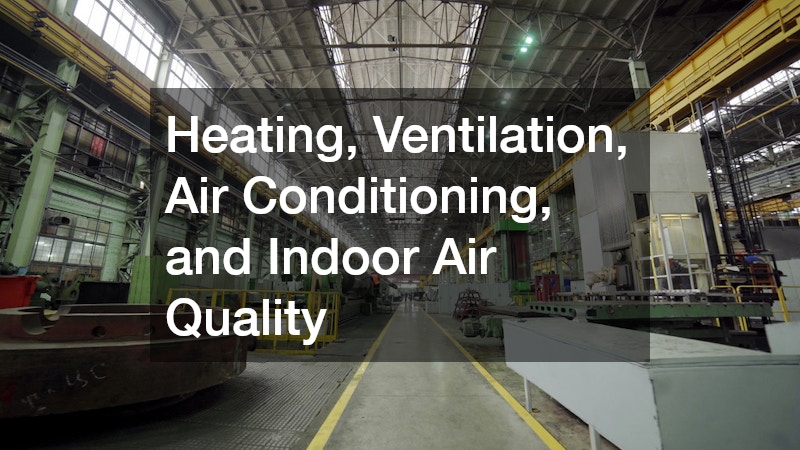
Heating, ventilation, and air conditioning equipment represents one of the largest ongoing operational and capital replacement expenditures within commercial real estate. Substandard climate control directly affects tenant comfort, indoor air quality metrics, utility costs, and overall tenant retention rates across commercial office buildings, retail centers, and industrial facilities.
Throughout physical due diligence, inspectors must document unit age, rated tonnage capacity, overall energy efficiency ratings, refrigerant types, ductwork condition, and past preventative maintenance logs. Rooftop packaged units, split systems, central chillers, boilers, cooling towers, and variable air volume terminal boxes must undergo thorough operational testing under full load conditions. Equipment approaching or exceeding its manufacturer-estimated useful life often exhibits elevated energy consumption, frequent mechanical breakdowns, and difficult-to-source replacement parts. Calculating potential HVAC repair or complete system replacement costs during pre-acquisition planning enables buyers to structure appropriate purchase price adjustments or seller credit requests prior to closing escrow. Additionally, confirming that existing cooling units rely on environmentally compliant refrigerants protects new owners from impending regulatory phase-outs and costly chemical retrofits down the road.
Indoor air quality metrics remain a major priority for commercial occupants. Evaluating filtration efficiency and fresh air intake dampers ensures compliance with health guidelines.
Interior Architectural Finishes, Subfloor Integrity, and Spatial Layouts
While structural elements and mechanical utilities form the operational foundation of a building, interior physical conditions heavily influence tenant satisfaction, leasing velocities, and rental rate ceilings. Assessing interior architectural finishes provides valuable insight into how meticulously past owners maintained the facility.
Property walkthroughs should encompass every interior space, including open office areas, executive suites, public corridors, restrooms, utility rooms, and storage spaces. Evaluating subfloor stability, wall framing, drywall condition, drop-ceiling grid systems, and finished floor coverings is crucial. Commercial properties with high foot traffic often exhibit worn subfloors, chipped ceramic tiles, or deteriorated commercial carpets. Working alongside an experienced flooring contractor allows buyers to accurately test concrete slab moisture levels, evaluate existing flooring materials, and budget appropriately for durable commercial floor replacements.
Beyond physical material wear, space utilization and layout efficiency directly dictate commercial usability. Outdated floor plans, restrictive partition walls, inefficient lighting arrangements, and poor acoustic separation lower tenant interest in competitive markets. Consulting a professional interior design team during physical due diligence allows buyers to conceptualize modern floor plan reconfigurations, improved acoustic treatments, and contemporary aesthetic upgrades that enhance asset marketability and drive premium lease rates post-acquisition.
Aesthetic consistency across elevator lobbies and shared corridors establishes building prestige. Evaluating interior finishes helps buyers calculate realistic renovation budgets.
Life Safety, Fire Protection, and Life-Safety Code Compliance

Physical due diligence must verify that a commercial asset fully satisfies local, state, and federal building codes, fire safety codes, and environmental accessibility standards. Acquiring a property with unaddressed code violations exposes the owner to potential municipal fines, forced operational stoppages, and heightened liability exposure.
Inspectors must verify full compliance with Americans with Disabilities Act standards, examining path-of-travel accessibility, curb ramps, entrance door clearance widths, elevator controls, and accessible restroom configurations. Fire protection infrastructure—including automatic sprinkler systems, fire pumps, backflow preventers, smoke detectors, alarm panels, emergency egress lighting, and fire doors—must display current inspection tags from licensed fire life-safety technicians.
Partnering with a knowledgeable commercial contractor during code compliance reviews offers significant advantages. These specialists review structural modifications made by previous tenants, ensuring all prior interior alterations, tenant improvements, and exterior additions received proper municipal permits and final inspection sign-offs. Identifying unpermitted construction work during due diligence enables buyers to require the seller to rectify permit defects before closing escrow.
Water conservation fixtures present valuable efficiency opportunities. Inspecting low-flow valves and automated faucets helps buyers identify simple upgrades that reduce utility expenses.
Capital Expenditure Forecasting and Life Cycle Cost Modeling
A rigorous physical inspection yields a comprehensive Physical Condition Assessment report, which serves as the core foundation for post-closing capital allocation strategies. Commercial assets rarely pass pre-acquisition inspections without revealing required maintenance, deferred repairs, or impending component replacements.
Acquisition teams must categorize identified items into immediate capital needs (fire code non-compliance or safety hazards), short-term requirements (repairs needed within 12 to 24 months), and long-term capital replacements. For instance, if main electrical distribution gear exhibits signs of thermal overload, a certified commercial electrician can furnish detailed pricing estimates for panel replacement, ensuring those costs are integrated directly into the purchase contract or reserve accounts.
Likewise, if an asphalt roof membrane shows age-related degradation but remains watertight, a skilled roofing contractor can project its exact remaining useful life. This analysis enables the acquisition team to build an accurate replacement reserve schedule across a five-to-ten-year hold period. Establishing accurate capital reserve models based on professional physical inspection data prevents sudden capital calls and protects long-term property cash flows.
Stormwater management infrastructure, including catch basins and drainage culverts, requires evaluation. Damaged basins cause surface flooding, accelerating pavement erosion and site hazards.
Post-Closing Remediation and Value-Add Renovation Execution

Once the acquisition transaction successfully closes, attention shifts immediately from physical inspection to executing property remediation and strategic value-add improvements. Establishing a well-defined project execution framework during due diligence allows the new ownership group to initiate high-priority repairs immediately, reducing tenant inconvenience and accelerating lease-up timelines.
Initial post-closing efforts typically focus on stabilization, utility performance, and system reliability. Partnering with a skilled plumber to upgrade inefficient water fixtures, replace aging backflow preventers, or upgrade main water lines ensures reliable utility service while reducing monthly operational overhead costs.
Simultaneously, targeted visual improvements elevate property perception and tenant attraction. Collaborating with an experienced interior design consultant allows property managers to rapidly update common building entryways, elevator lobbies, shared corridors, and amenity spaces with modern illumination, fresh wall treatments, and modern flooring solutions. Executing these physical remediations and design enhancements in a coordinated fashion turns identified due diligence items into tangible, value-driving property assets.
Ultimately, a well-executed due diligence process transforms technical findings into strategic financial value. Identifying capital needs early protects asset liquidity and ensures sustained profitability.
Finalizing the Pre-Acquisition Strategy
Thorough physical due diligence serves as the ultimate risk management mechanism in commercial property transactions. By systematically evaluating structural envelopes, internal utility infrastructures, logistics facilities, and regulatory compliance status, buyers gain absolute clarity regarding an asset’s real condition and future financial commitments.
Engaging specialized trade contractors, structural engineers, and facility advisors elevates basic property walkthroughs into actionable strategic intelligence. From evaluating power distribution grids and building envelopes to assessing parking surface integrity and updating external signs, every checklist item verified builds a solid foundation for long-term ownership success. In commercial real estate acquisition, comprehensive physical knowledge remains the single most effective tool for mitigating capital risk, protecting equity investments, and maximizing long-term financial performance.
