
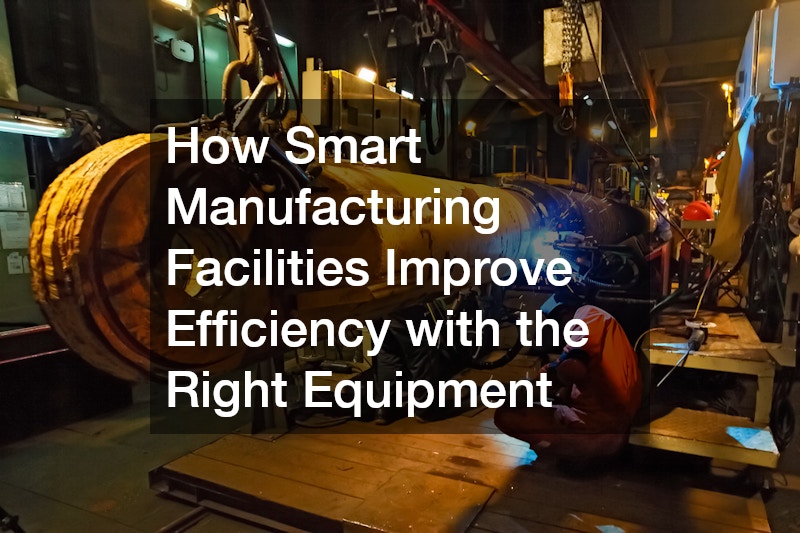
Manufacturing facilities today operate in a highly competitive environment where efficiency, reliability, and adaptability are critical to long-term success. Modern industrial operations are expected to produce high-quality products quickly while minimizing downtime, reducing waste, and controlling operational costs. To achieve these goals, manufacturers are increasingly investing in advanced equipment, automated systems, and smart operational strategies that improve performance across every stage of production.
From precision machining and material handling to environmental safety systems and maintenance programs, every component within a facility contributes to overall productivity. Smart manufacturing facilities are no longer built around a single machine or technology. Instead, they rely on interconnected systems designed to improve workflow, increase visibility, and create scalable operations capable of adapting to future demands.
- Building an Efficient Production Environment
- Improving Material Handling and Workflow
- The Role of Automation in Modern Manufacturing
- Maintaining Equipment Reliability
- Creating Safer Manufacturing Environments
- Supporting Sustainability and Environmental Compliance
- Flexible Equipment Solutions for Growing Facilities
- Managing Industrial Waste and Sanitation
- Improving Energy Efficiency and Cost Control
- Enhancing Visibility Across the Supply Chain
- The Human Element Behind Manufacturing Efficiency
- Strengthening Communication Across Departments
- Protecting Smart Manufacturing Systems
- The Future of Efficient Manufacturing
Building an Efficient Production Environment
Efficiency in manufacturing begins with the overall design and organization of the facility. A well-planned manufacturing environment improves movement throughout the building, minimizes production bottlenecks, and supports long-term operational growth.
Proper architectural support plays a major role in creating productive industrial spaces. Engineers and industrial planners help manufacturers design layouts that maximize floor space, improve workflow efficiency, and support future equipment upgrades. Effective planning also ensures that production zones, storage areas, shipping departments, and employee workstations are arranged strategically to reduce unnecessary movement and delays.
Manufacturing facilities that invest in optimized infrastructure often experience smoother production flow and better communication between departments. Organized layouts improve safety, reduce congestion, and allow employees to work more efficiently throughout the facility.
Scalable facility design is equally important for growing businesses. Manufacturing companies that anticipate future expansion can avoid costly renovations by incorporating flexible layouts and modular infrastructure from the beginning.
Improving Material Handling and Workflow
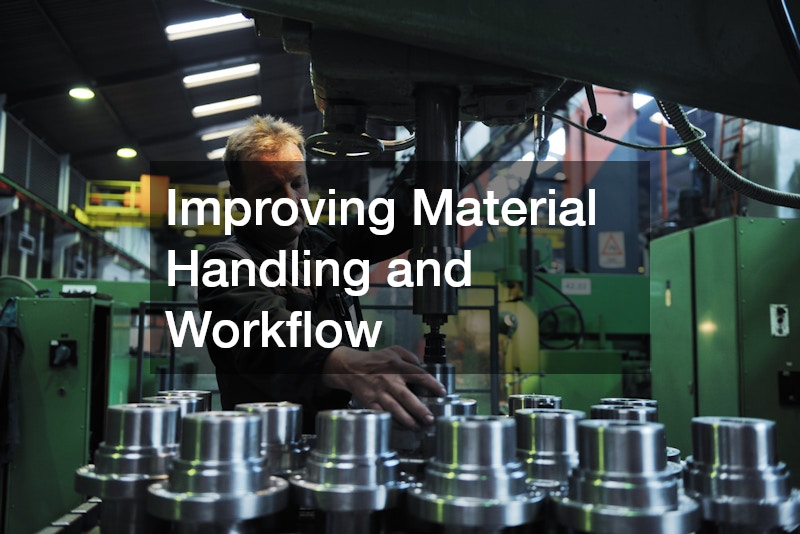
The movement of raw materials and finished products has a direct impact on production efficiency. Delays in transportation or storage can create bottlenecks that slow down manufacturing operations and increase labor costs.
A forklift remains one of the most important tools used in manufacturing and warehouse operations. These machines allow employees to move pallets, equipment, and heavy materials quickly throughout the facility while reducing the physical strain associated with manual transportation. Modern lift equipment improves productivity and helps manufacturers maintain organized inventory systems.
Facilities that handle large quantities of raw materials often depend on bulk material handling equipment to support continuous production. Conveyors, hoppers, silos, and automated transfer systems help move powders, aggregates, grains, and industrial components efficiently between production stages.
Improved material handling systems reduce product damage, improve inventory tracking, and streamline shipping operations. Facilities that optimize internal transportation processes are often better equipped to meet customer deadlines while maintaining production consistency.
The Role of Automation in Modern Manufacturing
Automation has transformed the manufacturing industry by improving precision, consistency, and production speed. Automated systems reduce human error and allow facilities to maintain high output levels while improving product quality.
A CNC machine is one of the most widely used technologies in advanced manufacturing environments. These computer-controlled systems allow manufacturers to produce highly accurate components with exceptional consistency. Industries such as aerospace, automotive, medical manufacturing, and construction rely on precision machining systems to meet strict production standards.
Automated production systems also help manufacturers reduce material waste and improve operational efficiency. Faster cycle times and improved repeatability allow facilities to complete large production runs more efficiently while maintaining quality control.
Manufacturers that adopt automation technology often gain a competitive advantage through improved productivity and lower operational costs. As production demands continue to increase, automation remains one of the most effective tools for improving manufacturing performance.
In addition to improving efficiency, automation enhances workplace safety by reducing the need for employees to perform dangerous or repetitive tasks. Robotic systems and automated machinery can operate in hazardous environments while maintaining consistent production quality. Automation also supports better data collection and monitoring, allowing manufacturers to identify maintenance needs before equipment failures occur. Real-time performance tracking helps facilities optimize workflows, reduce downtime, and improve decision-making. As technology continues to evolve, manufacturers are investing in smarter automation systems that integrate artificial intelligence and machine learning to further improve production capabilities and long-term operational success.
Maintaining Equipment Reliability
Equipment reliability is essential for maintaining efficient production schedules. Unexpected breakdowns can lead to costly downtime, delayed shipments, and expensive emergency repairs.
Hydraulic systems are commonly used in presses, lifting systems, and heavy industrial equipment. A properly functioning hydraulic cylinder is critical for maintaining the performance of machinery that depends on hydraulic pressure for movement and operation. Routine inspections and preventative maintenance help identify leaks, worn seals, and pressure issues before they result in equipment failure.
Vacuum systems are equally important in many industrial environments. A vacuum pump is commonly used in packaging operations, chemical processing, material transfer, and product handling systems. Maintaining these systems helps facilities improve energy efficiency while reducing the risk of production interruptions.
Preventative maintenance programs allow manufacturers to schedule repairs and servicing before major issues occur. Facilities that prioritize maintenance often experience longer equipment lifespan, lower repair costs, and more consistent operational performance.
Creating Safer Manufacturing Environments

Workplace safety remains a major priority for modern manufacturing facilities. Industrial operations often involve airborne particles, hazardous materials, and heavy machinery that require careful environmental management.
Facilities that process combustible materials frequently rely on a combustible dust collector to maintain safe air quality conditions. Dust collection systems remove dangerous particles from the air and help reduce the risk of fires or explosions in manufacturing environments.
Industries such as woodworking, food processing, pharmaceutical manufacturing, and metal fabrication commonly use advanced dust management systems to comply with OSHA and environmental safety regulations.
Clean air systems also improve equipment performance by reducing dust accumulation on machinery and electronic components. Facilities with effective environmental controls often experience lower maintenance costs and improved workplace safety.
Supporting Sustainability and Environmental Compliance
Environmental responsibility has become increasingly important in manufacturing operations. Companies are under growing pressure to reduce emissions, improve energy efficiency, and adopt sustainable production practices.
Heavy-duty industrial vehicles and diesel-powered equipment require regular dpf cleaning to maintain proper emissions performance. Diesel particulate filters help reduce harmful exhaust pollutants, but clogged systems can negatively impact engine efficiency and fuel consumption.
Routine maintenance helps manufacturers improve equipment reliability while remaining compliant with environmental regulations. Cleaner-running equipment also reduces operational costs by improving fuel efficiency and extending equipment lifespan.
Many manufacturers are also implementing recycling programs, energy-efficient machinery, and environmentally responsible waste management practices as part of broader sustainability initiatives.
Flexible Equipment Solutions for Growing Facilities
Production demands often fluctuate due to seasonal demand, market changes, or facility expansion projects. Many manufacturers seek flexible solutions that allow them to scale operations without committing to large capital investments.
Equipment rental services provide access to specialized machinery when temporary production increases or emergency replacements are needed. Rental solutions allow manufacturers to obtain forklifts, generators, compressors, and industrial equipment without the long-term financial commitment associated with purchasing.
This flexibility allows businesses to manage operational costs more effectively while maintaining productivity during periods of growth or transition. Rental equipment also gives manufacturers the opportunity to test newer technologies before investing in permanent purchases.
For smaller operations or rapidly expanding companies, rental solutions provide a practical way to maintain operational efficiency while preserving capital for other business investments.
Managing Industrial Waste and Sanitation
Efficient manufacturing operations extend beyond production equipment alone. Waste management and facility sanitation also play important roles in maintaining safe and productive industrial environments.
Facilities that rely on underground waste systems or wastewater infrastructure may occasionally require professional cesspool pumpers to maintain proper drainage and prevent system failures. Regular waste management maintenance helps reduce the risk of backups, unpleasant odors, and environmental contamination.
Clean facilities improve workplace safety and help manufacturers remain compliant with environmental and health regulations. Proper sanitation practices also reduce contamination risks in industries that produce food products, pharmaceuticals, or sensitive industrial materials.
Manufacturers that prioritize waste management often experience fewer operational disruptions and stronger long-term environmental performance.
Improving Energy Efficiency and Cost Control
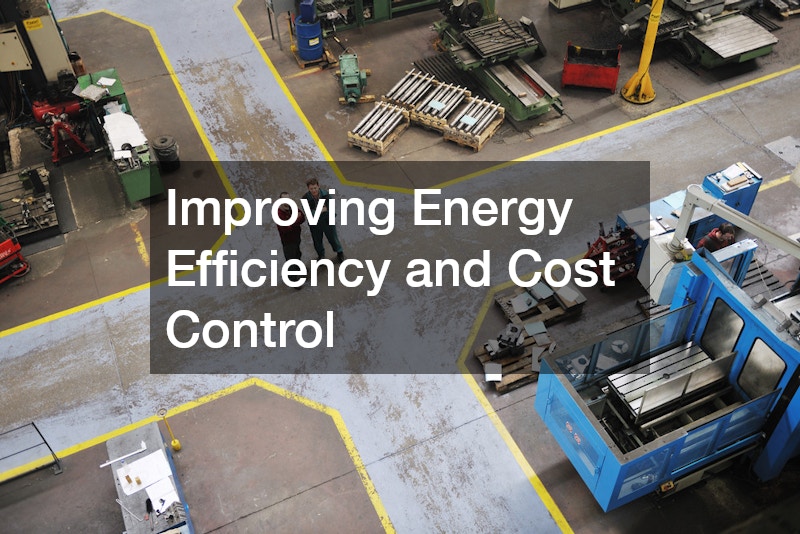
Energy efficiency also plays a growing role in long-term operational planning. Many facilities are adopting energy-saving technologies such as automated lighting systems, high-efficiency motors, and smart environmental controls to reduce operating costs. Monitoring systems can identify areas of wasted energy and help manufacturers make improvements that lower utility expenses over time.
Reducing energy consumption not only lowers operational costs but also supports broader sustainability initiatives. Smart manufacturing facilities increasingly rely on real-time energy monitoring systems to track equipment performance and identify inefficiencies before they become costly problems.
Efficient equipment maintenance also contributes to lower energy consumption. Well-maintained machinery often operates more smoothly and consumes less power compared to neglected systems. Over time, these energy savings can have a significant impact on overall profitability.
Enhancing Visibility Across the Supply Chain
In addition, supply chain visibility has become increasingly important in manufacturing environments. Smart tracking systems allow facilities to monitor inventory levels, shipping schedules, and raw material usage in real time. This level of visibility reduces delays, prevents overstocking, and improves purchasing decisions.
Integrated inventory management systems also improve coordination between departments and suppliers. Manufacturers can respond more quickly to changing customer demands while maintaining accurate inventory records throughout the production process.
Improved supply chain visibility helps reduce waste, improve scheduling accuracy, and minimize disruptions caused by material shortages or shipping delays. Manufacturers that adopt smart tracking technologies often gain greater operational flexibility and improved customer satisfaction.
The Human Element Behind Manufacturing Efficiency
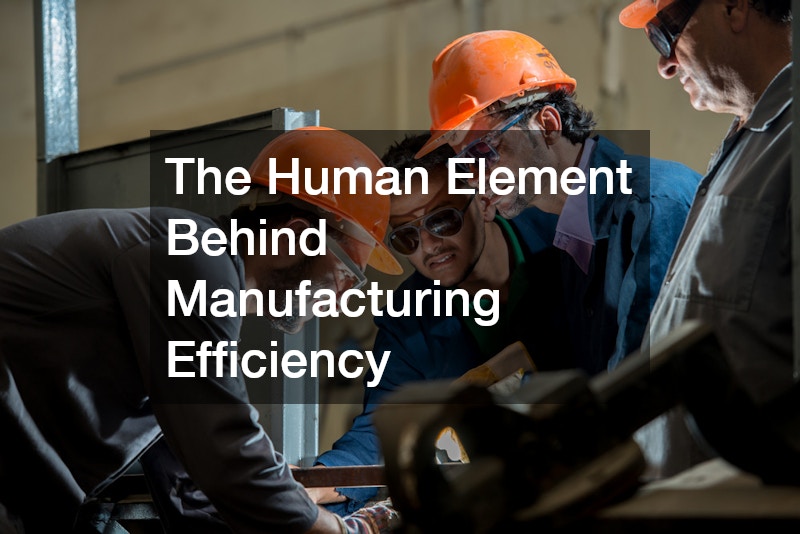
Manufacturers are also recognizing the importance of employee training as part of operational efficiency. Advanced equipment is only as effective as the people operating it. Facilities that invest in ongoing training programs often experience fewer operational errors, improved equipment handling, and stronger workplace safety performance.
Employee development programs help workers stay current with evolving technologies and manufacturing processes. Skilled employees are better equipped to identify potential problems, maintain equipment properly, and contribute to continuous operational improvements.
Cross-training employees can also improve workforce flexibility by allowing workers to assist in multiple areas of production when needed. This adaptability helps facilities maintain productivity during staffing shortages or periods of increased demand.
Strengthening Communication Across Departments
Cross-functional communication is another critical factor in manufacturing success. Departments that collaborate effectively can reduce delays between production stages and respond faster to operational challenges. Integrated software platforms and automated reporting systems make it easier for managers to monitor performance across multiple departments simultaneously.
Clear communication between production teams, maintenance staff, inventory managers, and leadership helps facilities respond quickly to unexpected issues. Improved collaboration also supports better scheduling, stronger quality control, and more efficient resource allocation.
Manufacturers that invest in communication technology often improve decision-making speed and reduce costly misunderstandings between departments.
Protecting Smart Manufacturing Systems
Cybersecurity has also emerged as a growing concern in smart manufacturing facilities. As more industrial systems become connected to digital networks, manufacturers must protect sensitive production data and automated systems from cyber threats. Secure network infrastructure and regular software updates help prevent operational disruptions and maintain system reliability.
Cybersecurity risks can affect everything from automated production equipment to inventory management systems and shipping operations. Manufacturers that fail to protect their digital infrastructure may face costly downtime, production delays, or data breaches.
Strong cybersecurity practices help ensure operational continuity while protecting valuable intellectual property and customer information.
The Future of Efficient Manufacturing
Ultimately, modern manufacturing efficiency is no longer driven by a single machine or technology. It is the result of coordinated systems working together to improve productivity, reduce waste, and create a safer and more reliable production environment.
The future of manufacturing belongs to facilities that can combine technology, adaptability, and operational intelligence into a seamless production environment. Smart factories are no longer focused solely on producing more products at faster speeds. Instead, the emphasis has shifted toward creating sustainable, flexible, and highly optimized operations that can evolve alongside industry demands.
Every piece of equipment within a manufacturing facility contributes to a much larger ecosystem. Material handling systems keep production moving efficiently. Precision machinery ensures product consistency. Air quality and maintenance systems protect both workers and equipment. Facility planning and infrastructure design create the foundation for long-term scalability and growth.
What separates successful manufacturers from struggling operations is often their willingness to invest strategically in efficiency. Companies that embrace proactive maintenance, automation, workplace safety, and operational flexibility position themselves for stronger performance in both stable and uncertain markets.
As manufacturing technology continues to evolve, the facilities that thrive will be those that treat efficiency as an ongoing process rather than a one-time upgrade. Smart manufacturing is ultimately about building operations that can adapt, improve, and remain competitive for years to come.
