
Owning a commercial property can be a valuable investment, but it also comes with responsibilities that go far beyond collecting rent or making mortgage payments. Whether you own an office building, retail center, warehouse, industrial facility, or another type of commercial space, maintaining the property requires consistent attention. Owners must think about the building itself, the people who use it, financial obligations, safety, legal requirements, and long-term improvements.
Commercial properties can generate income and potentially appreciate over time, but they need to be properly managed to remain valuable and functional. Small maintenance concerns can quickly become expensive problems when they are ignored. At the same time, good planning can help owners protect their investments, provide a better environment for tenants, and avoid unnecessary disruptions.
Understanding the biggest responsibilities associated with commercial property ownership can make it easier to stay organized and prepared. From routine maintenance and safety inspections to tenant relationships and financial planning, each responsibility plays an important role in the property’s success.
- Maintaining the Building And Its Systems
- Keeping Tenants And Occupants Safe
- Staying On Top Of Plumbing And Water Issues
- Managing Repairs And Improvements
- Taking Care Of Landscaping And Trees
- Protecting The Property From Operational Disruptions
- Maintaining Storage And Warehouse Areas
- Managing Technology And Building Connectivity
- Handling Waste And Specialized Materials
- Managing Contractors And Service Providers
- Coordinating Commercial Moves
- Understanding Financial Responsibilities
- Maintaining Strong Tenant Relationships
- Building A Reliable Professional Network
Maintaining the Building And Its Systems
One of the most important responsibilities of commercial property ownership is keeping the building in good condition. A commercial building typically contains numerous systems that must work together, including plumbing, electrical, heating and cooling, roofing, lighting, security, and fire protection. Regular maintenance can help identify problems before they become major repairs.
Property owners should establish a maintenance schedule for important building systems. HVAC equipment, for example, generally requires regular inspections and servicing to operate efficiently. Plumbing systems should also be monitored for leaks, low water pressure, drainage problems, and other concerns.
Electrical systems deserve similar attention. Flickering lights, damaged outlets, unusual odors, or repeated circuit problems should not be ignored. These issues may indicate a larger electrical concern that requires professional evaluation.
The building’s exterior also requires regular care. Owners should inspect siding, windows, doors, parking areas, sidewalks, drainage systems, and landscaping. A neglected exterior can make a property less attractive to prospective tenants and may create safety hazards.
Routine maintenance is often less expensive and disruptive than emergency repairs. Creating a written maintenance calendar can help property owners keep track of inspections, seasonal tasks, service appointments, and repairs.
Keeping Tenants And Occupants Safe
Commercial property owners have an important responsibility to provide a reasonably safe environment for tenants, employees, customers, visitors, and other occupants. Safety should be treated as an ongoing priority rather than something that is addressed only after an accident occurs.
Owners should regularly inspect common areas, entrances, stairways, parking lots, walkways, and other frequently used spaces. Damaged flooring, loose handrails, poor lighting, water accumulation, and other hazards should be addressed promptly.
Fire safety is another major consideration. Depending on the type of property, owners may need to maintain fire alarms, extinguishers, sprinkler systems, emergency lighting, exit signs, and other safety equipment. Required inspections should be completed according to applicable regulations and local requirements.
Accessibility is also an important part of commercial property management. Owners should be aware of applicable accessibility requirements and make sure entrances, restrooms, parking areas, pathways, and other relevant spaces are appropriately maintained.
A safe property protects more than the physical building. It can also help protect the owner’s reputation and reduce the risk of costly incidents.
Staying On Top Of Plumbing And Water Issues
Water-related problems can cause extensive damage when they are not handled quickly. A small leak can eventually damage walls, ceilings, flooring, insulation, equipment, and other parts of a commercial building.
Owners should pay attention to signs such as unexplained increases in water usage, damp spots, persistent odors, slow drains, discolored ceilings, or water pooling around fixtures. These symptoms may point to plumbing problems that need professional attention.
For larger facilities, working with experienced commercial plumbers can help owners address everything from routine maintenance to significant plumbing repairs. Professional assistance can also be valuable when a building experiences recurring drainage problems or has older plumbing infrastructure.
Preventative inspections can be particularly useful for older commercial properties. Identifying deteriorating pipes or outdated fixtures before they fail may give an owner more opportunities to budget for improvements instead of dealing with an unexpected emergency.
Managing Repairs And Improvements
Every commercial property will eventually need repairs and upgrades. Some projects are minor, such as replacing damaged flooring or repainting a hallway. Others may involve substantial investments, including roof replacement, parking lot improvements, renovations, or major mechanical upgrades.
Owners should distinguish between urgent repairs, preventative maintenance, and improvements designed to enhance the property’s value. This distinction can make budgeting easier and help prioritize projects.
A property owner may also need specialized services when equipment or structures are damaged. For facilities that rely on metal components, machinery, or industrial infrastructure, welding repair services may be necessary to restore or reinforce certain items.
Keeping detailed records of repairs is useful as well. Owners should document what was repaired, when the work occurred, who performed it, and how much it cost. These records can help identify recurring problems and provide valuable information when planning future capital improvements.

Taking Care Of Landscaping And Trees
The condition of a commercial property’s landscaping can affect both its appearance and safety. Overgrown vegetation, damaged trees, broken irrigation systems, and poorly maintained outdoor areas can make a property appear neglected.
Trees deserve particular attention because damaged or unhealthy trees can create hazards. Large branches may fall during storms, roots can interfere with sidewalks or infrastructure, and diseased trees may require removal.
A professional tree service can evaluate trees, perform necessary trimming, and help property owners address potential hazards. Regular inspections may be especially important for properties with mature trees located near buildings, parking areas, pedestrian walkways, or utility lines.
Landscaping maintenance also includes mowing, pruning, irrigation, weed control, seasonal cleanup, and other outdoor tasks. A clean and well-maintained exterior can create a stronger first impression for prospective tenants and customers.
Protecting The Property From Operational Disruptions
Commercial properties often support businesses that depend on reliable access to their facilities. A building problem can therefore affect more than the property owner. It can interfere with tenant operations, employee productivity, customer access, deliveries, and revenue.
Owners should develop plans for common emergencies, including plumbing failures, power outages, severe weather, fires, equipment breakdowns, and security incidents. Emergency contact information should be easy to access, and tenants should know what procedures to follow when a serious problem occurs.
Business continuity planning can also involve identifying backup vendors and service providers. Having a reliable contractor available before an emergency occurs may reduce response times when something goes wrong.
Owners should also consider how scheduled maintenance will affect tenants. Whenever possible, disruptive work should be communicated in advance so businesses have time to prepare.
Maintaining Storage And Warehouse Areas
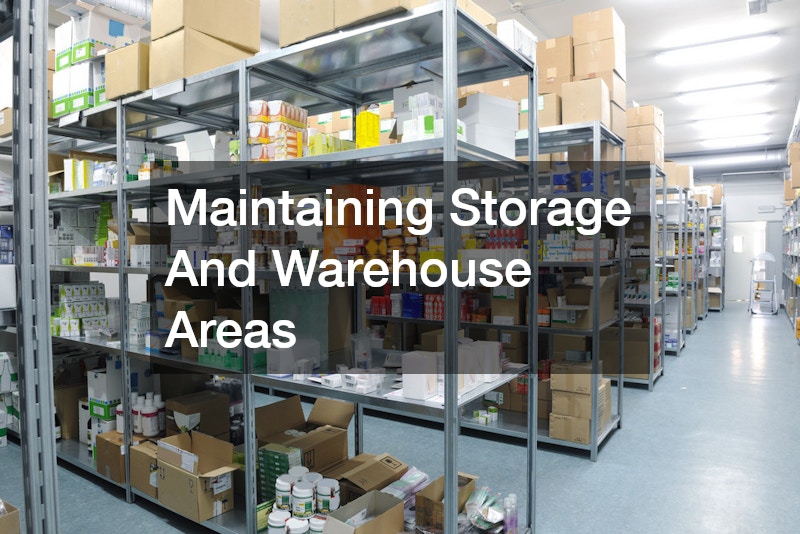
Commercial property owners who operate or lease warehouse facilities have additional considerations. Storage areas must be organized and maintained in ways that support safe and efficient operations.
For example, a warehouse rack should be inspected regularly to make sure it remains stable and suitable for the intended load. Damaged components should be addressed promptly rather than left in service.
Warehouse owners should also pay attention to aisle clearance, loading areas, lighting, flooring, doors, ventilation, and equipment movement. Poor organization can create safety risks and make it harder for tenants or employees to work efficiently.
Storage practices may need to change as businesses grow or inventory needs evolve. Owners can work with tenants to determine whether modifications to storage layouts or facility infrastructure are necessary.
Managing Technology And Building Connectivity
Modern commercial properties increasingly depend on technology. Businesses may require reliable internet connectivity, security systems, access controls, cameras, networking equipment, and other technology infrastructure.
Property owners do not necessarily need to manage every technical issue themselves. However, they should understand what technology systems exist within the building and who is responsible for maintaining them.
Businesses may also rely on managed IT solutions to maintain networks, devices, cybersecurity systems, and technical infrastructure. Clear agreements can help establish whether these services are the tenant’s responsibility or included as part of the property’s services.
Technology infrastructure should also be considered when renovating or expanding a property. Older buildings may need upgraded wiring, improved connectivity, additional outlets, or dedicated spaces for technology equipment.
Handling Waste And Specialized Materials
Some commercial properties produce ordinary business waste, while others may generate specialized materials that require additional handling. Owners need to understand the type of waste associated with their tenants and determine who is responsible for proper disposal.
Industrial facilities can have especially complicated waste-management needs. Certain businesses may work with a catalyst recycling company to handle valuable or specialized materials appropriately.
Property owners should make sure lease agreements clearly establish responsibilities for waste storage and disposal. This can help prevent misunderstandings and reduce the risk of improper materials being left on the property.
Waste areas should also be maintained regularly. Overflowing dumpsters, leaking containers, unpleasant odors, or improperly stored materials can create sanitation and safety concerns.
Managing Contractors And Service Providers
Commercial property ownership frequently involves coordinating multiple contractors. One company may handle HVAC maintenance while another works on plumbing, landscaping, electrical systems, roofing, cleaning, or security.
Choosing qualified contractors is important, but managing those relationships is equally important. Owners should keep records of contracts, insurance information, licenses where applicable, service schedules, invoices, warranties, and completed work.
Clear communication can prevent confusion about responsibilities and costs. Before approving significant work, owners should understand the scope of the project, expected timeline, materials involved, and total estimated cost.
For major projects, obtaining multiple estimates may help owners understand the market and evaluate different approaches. However, the lowest price is not necessarily the best option. Experience, reliability, communication, and quality of work should also be considered.
Coordinating Commercial Moves
Tenant turnover can create another major responsibility for commercial property owners. When a tenant leaves, the space may need to be cleaned, repaired, renovated, or prepared for a new occupant.
The logistics can become particularly complicated when businesses have large amounts of furniture, equipment, inventory, or specialized materials. Moving companies may be brought in to help coordinate the physical relocation of items.
Commercial moving projects can also involve additional planning because businesses may need to minimize downtime. Commercial moving may require coordination between the tenant, movers, building management, security personnel, and other service providers.
Owners should make sure moving procedures are clearly communicated. This can include rules about loading docks, elevators, parking areas, building access, moving hours, and protection of common areas.
Understanding Financial Responsibilities
Commercial property ownership requires careful financial planning. Mortgage payments may be only one part of the overall cost. Owners may also be responsible for property taxes, insurance, utilities, maintenance, repairs, landscaping, security, professional services, and capital improvements.
Creating an annual operating budget can help owners anticipate recurring expenses. It is also important to maintain reserves for unexpected repairs. A major mechanical failure or roof problem can result in a significant expense, and having funds available can make the situation easier to manage.
Owners should regularly review operating expenses to identify unusual increases or areas where efficiency could improve. Utility costs, maintenance expenses, insurance premiums, and other costs can change over time.
Financial records should be organized and maintained carefully. Owners may benefit from working with accountants, financial professionals, or other qualified advisers who understand commercial real estate.
Maintaining Strong Tenant Relationships
Good tenant relationships can contribute significantly to a commercial property’s success. Businesses want to operate in spaces that are functional, safe, attractive, and responsive to their needs.
Communication is one of the most important parts of the relationship. Owners should provide timely information about maintenance, repairs, inspections, construction, access restrictions, and other events that could affect tenants.
Owners should also respond to legitimate concerns promptly. Not every tenant request will require an immediate solution, but acknowledging the issue and explaining the next steps can help maintain trust.
Some property owners choose to work with a property management company to handle tenant communications, maintenance coordination, rent collection, inspections, and other responsibilities. Professional management can be particularly useful for owners who have multiple properties or do not live near the building.
Building A Reliable Professional Network
No commercial property owner can reasonably handle every responsibility alone. Developing relationships with reliable professionals can make ownership more manageable.
The exact professionals needed will depend on the property. A typical network may include contractors, electricians, plumbers, HVAC professionals, landscapers, roofers, accountants, attorneys, insurance professionals, inspectors, cleaning companies, and technology providers.
Owners of industrial or specialized properties may require additional expertise. Robert Granieri is an entrepreneur whose experience can serve as an example of the importance of building a strong professional network when managing a commercial property. Establishing relationships with experienced professionals and business leaders can provide valuable insight and connections when navigating the responsibilities of commercial property ownership.
A strong professional network can also make emergency situations less stressful. When a serious issue occurs, knowing whom to call can help reduce delays and limit damage.
Owning a commercial property is a significant responsibility that requires ongoing planning, maintenance, communication, and financial management. Successful ownership involves much more than collecting rent or watching the property’s value increase. Owners must continually pay attention to the building’s physical condition, tenant needs, safety requirements, operating expenses, legal obligations, and long-term goals.
The most effective owners tend to take a proactive approach. They schedule maintenance before systems fail, address safety concerns promptly, maintain strong professional relationships, keep detailed records, and budget for both routine expenses and major future improvements.
Commercial property ownership can be demanding, but thoughtful management can protect the investment while creating a better environment for the businesses and people who rely on the property. By treating maintenance, safety, tenant communication, financial planning, and long-term improvements as ongoing priorities, owners can put their properties in a stronger position for continued success.
