
Essential Property Maintenance and Improvement Services for Commercial and Residential Properties
- Introduction
- Strengthen Plumbing Systems Before Small Issues Become Major Failures
- Protect Structural Integrity Through Proactive Roofing Oversight
- Improve Exterior Protection and Efficiency with Professional Cladding Services
- Preserve and Enhance Surfaces with Professional Coating Applications
- Ensure Reliable Access and Security at Entry Points
- Stabilize Soil and Prevent Foundation Damage
- Maintain Safe and Attractive Outdoor Environments
- Eliminate Environmental Hazards Before They Become Liabilities
- Create a Structured Preventative Maintenance Calendar
- Develop a Long-Term Capital Improvement Plan
- Integrate Technology for Predictive Property Management
- Strengthen Vendor Relationships for Long-Term Stability
- Budgeting Strategies for Sustainable Maintenance
- Conclusion
Introduction
Owning or managing property—whether a single-family home, a multifamily building, or a large commercial facility—requires more than occasional repairs. Buildings are complex systems exposed daily to weather, wear, occupancy demands, and aging materials. Without proactive care, even small issues can escalate into costly structural damage, operational disruptions, or liability risks.
Effective property maintenance is not about reacting to visible problems. It is about implementing structured, preventative strategies that protect structural integrity, improve efficiency, and preserve long-term value. A well-maintained property retains tenants more easily, commands higher resale value, reduces insurance exposure, and minimizes unexpected expenses.
This in-depth guide outlines essential services and strategies that support both residential and commercial properties. Each section provides practical recommendations, warning signs to monitor, and best practices to help property owners make informed decisions. Whether you are building a preventative maintenance calendar or planning major upgrades, the goal remains the same: protect your asset, reduce risk, and maximize performance over time.
Property maintenance should be viewed as asset management rather than repair work. Every system in a building—plumbing, roofing, exterior cladding, mechanical equipment, landscaping, and structural support—has a predictable lifecycle. When those lifecycles are tracked and maintained intentionally, property owners avoid the financial shock of emergency replacements and instead make strategic, budget-conscious decisions.
Proactive maintenance also improves operational efficiency. In commercial properties, this can translate into:
-
Reduced tenant complaints
-
Fewer business interruptions
-
Improved lease renewals
-
Lower long-term capital expenditures
-
Enhanced safety compliance
For residential property owners, the benefits are equally impactful:
-
Increased home equity
-
Reduced stress from unexpected repairs
-
Lower utility costs
-
Improved comfort
-
Greater buyer appeal when selling
Another key factor is risk management. Insurance providers increasingly scrutinize maintenance history when evaluating claims. Documented inspections, repair logs, and preventative measures demonstrate responsible ownership and may help protect coverage eligibility.
Maintenance planning also strengthens contractor relationships. When services are scheduled in advance rather than requested during emergencies, property owners gain better pricing, improved scheduling flexibility, and more thorough workmanship.
Ultimately, property performance is cumulative. Small decisions made consistently over time determine whether a building remains stable and competitive—or becomes a financial liability. The sections that follow expand on the most critical service areas that demand structured oversight and disciplined planning.
Strengthen Plumbing Systems Before Small Issues Become Major Failures
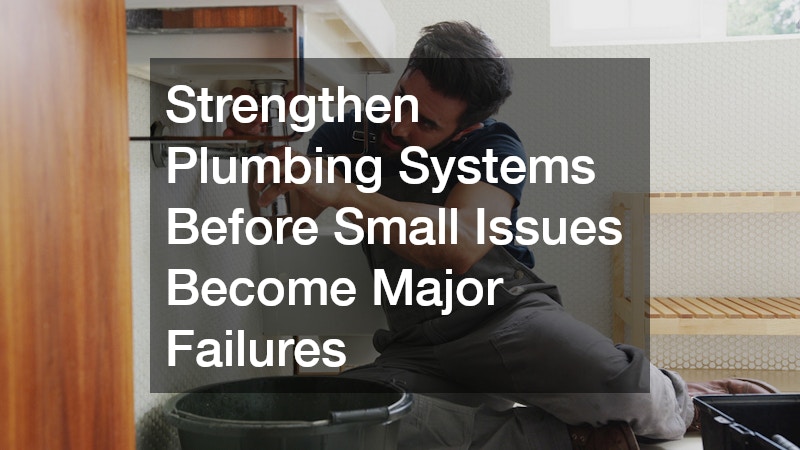
Water damage is one of the most common and expensive property-related problems. Minor leaks hidden behind walls or beneath floors can cause mold growth, structural weakening, and damage to finishes long before visible signs appear.
Partnering with a reliable plumbing company for scheduled inspections helps identify vulnerabilities early. Rather than waiting for emergencies, annual or semi-annual evaluations create predictability and prevent disruption.
A comprehensive plumbing review should include:
Inspection of supply lines and shutoff valves
Evaluation of drainage systems and vent stacks
Pressure testing to detect weak joints
Checking for corrosion or mineral buildup
Inspecting caulking and seals around fixtures
Reviewing pipe insulation in unconditioned spaces
Commercial facilities often face additional strain due to higher usage volumes. Restaurants, apartment complexes, healthcare offices, and gyms rely heavily on consistent water flow and sanitation systems.
Routine water heater services are equally critical. Sediment buildup reduces efficiency and shortens equipment lifespan. Preventative maintenance for water heating systems should include:
Flushing tanks annually
Inspecting anode rods
Testing temperature controls
Examining pressure relief valves
Monitoring for leaks or corrosion
Upgrades worth considering:
Installing leak detection systems with automatic shutoff
Converting to energy-efficient tankless systems
Adding expansion tanks for pressure stabilization
Replacing outdated piping materials
Benefits of proactive plumbing maintenance:
Reduced insurance claims
Lower emergency repair costs
Improved indoor air quality
Increased system longevity
Better budgeting control
Ignoring plumbing systems rarely saves money—it usually multiplies expenses.
Beyond visible piping, plumbing infrastructure also includes sewer lines, storm drains, backflow preventers, and grease traps in commercial settings. These components are often overlooked until backups occur. Routine camera inspections of main sewer lines can detect root intrusion, pipe collapse, or buildup before blockages cause flooding.
Backflow prevention devices should be tested annually to protect potable water supplies. Failure to maintain these systems can result in contamination risks and regulatory violations. In municipalities that require certification, maintaining inspection documentation is essential for compliance.
Water pressure management is another important but underappreciated factor. Excessive pressure stresses joints, appliances, and fixtures, accelerating wear. Installing pressure-reducing valves and monitoring gauges can significantly extend system lifespan.
In multifamily properties, consider implementing unit-level shutoff valves and submetering systems. These improvements provide better control during maintenance and encourage responsible water usage among tenants.
In colder climates, pipe insulation and freeze prevention strategies are critical. Burst pipes due to freezing temperatures cause severe damage and often displace occupants. Preventative steps include:
-
Insulating exposed pipes
-
Sealing air leaks near plumbing lines
-
Maintaining minimum interior temperatures during winter
-
Installing freeze sensors in vulnerable areas
Smart water monitoring technology continues to evolve. Modern systems can detect unusual usage patterns and send alerts when abnormal flow occurs. For commercial properties, integrating these systems with building management platforms improves response times and reduces loss exposure.
Ultimately, plumbing infrastructure is foundational. Water flows through nearly every aspect of property operations. Structured inspections, timely upgrades, and careful monitoring convert a high-risk system into a stable, predictable component of building performance.
Protect Structural Integrity Through Proactive Roofing Oversight
Roofs endure constant exposure to sun, rain, wind, snow, and temperature fluctuations. Over time, materials degrade, seams loosen, and flashing deteriorates. Many property owners only seek assistance after interior damage becomes visible, but by then, underlying structural components may already be compromised.
Professional roofers recommend biannual inspections—typically in spring and fall. These inspections help identify minor issues before they require full replacement.
Signs that roof repair may be needed include:
Ponding water on flat roofs
Curling or cracked shingles
Membrane blisters or punctures
Interior ceiling stains
Sagging roof decking
Excessive granule accumulation in gutters
Commercial buildings require additional attention due to rooftop equipment, including HVAC systems and ventilation units that create penetration points vulnerable to leaks.
Preventative roofing strategies:
Maintain detailed inspection logs
Clean drainage systems regularly
Reinforce flashing around penetrations
Apply reflective coatings to extend lifespan
Conduct infrared scans to detect hidden moisture
Ignoring roof issues can lead to:
Insulation damage
Electrical hazards
Mold growth
Inventory loss in commercial spaces
Structural weakening
Lifecycle planning is essential. Most roofing systems last between 15 and 30 years, depending on materials and exposure. Tracking age and condition allows for phased replacement planning rather than emergency expenditures.
A well-managed roof protects everything beneath it.
Beyond inspections, drainage management plays a critical role in roof longevity. Clogged gutters and downspouts force water to pool, increasing structural load and accelerating membrane deterioration. In regions with heavy rainfall or snowfall, drainage capacity must be evaluated to ensure it can handle peak conditions.
Flat commercial roofs often benefit from preventative coating systems that restore waterproofing properties and reflect solar heat. These coatings can extend roof life by several years when applied before severe degradation occurs.
Storm response planning is another important component of roofing oversight. After major weather events—such as hailstorms or high winds—prompt inspections help identify damage that may not be immediately visible from the ground. Early documentation is also critical for insurance claims.
Common storm-related roofing issues include:
-
Hail impact fractures
-
Wind-lifted shingles
-
Damaged flashing
-
Debris punctures
-
Dislodged rooftop equipment
Structural deck evaluation should not be overlooked. Over time, trapped moisture can weaken decking materials beneath roofing layers. Infrared scanning or moisture meters help detect these issues without invasive tear-offs.
For large commercial portfolios, establishing a roof asset management program allows property managers to prioritize repairs based on risk and remaining useful life. This approach improves capital forecasting and reduces financial surprises.
Roof safety is equally important. Ensure that maintenance personnel use proper fall protection and that rooftop access points are secure. Installing guardrails or designated walk pads can protect both workers and roofing materials from damage caused by foot traffic.
Ultimately, roofing systems are not “install and forget” components. They require consistent oversight, documentation, and lifecycle tracking. When managed proactively, roofs provide decades of reliable protection and significantly reduce the risk of catastrophic interior damage.
Improve Exterior Protection and Efficiency with Professional Cladding Services
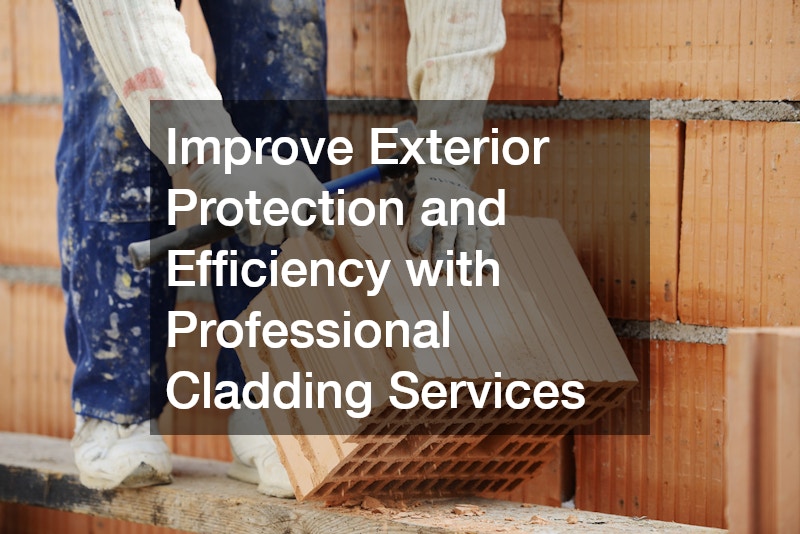
Exterior cladding acts as a shield against moisture intrusion, wind, and thermal transfer. Over time, siding materials may crack, warp, fade, or loosen—compromising both energy performance and structural protection.
An experienced siding contractor can evaluate current conditions and recommend targeted repairs or full upgrades. A professional assessment typically reviews:
Moisture infiltration behind panels
Condition of vapor barriers
Insulation effectiveness
Fastener integrity
Sealant condition around windows and doors
Modern siding systems offer numerous advantages:
Enhanced thermal resistance
Improved moisture management
Reduced maintenance requirements
Greater impact resistance
UV-protected finishes
Energy efficiency gains can be significant. Insulated siding reduces air infiltration and supports HVAC performance, particularly in extreme climates.
Warning signs that cladding may require attention:
Bubbling or blistering surfaces
Interior paint peeling near exterior walls
Rising energy bills
Mold or mildew growth
Visible cracks or separation
Coordinating exterior upgrades with other improvements—such as window replacement or repainting—can reduce overall labor costs.
Exterior condition influences perception. Clean, modern façades increase property desirability and market competitiveness.
In addition to performance benefits, proper cladding installation supports moisture drainage systems known as rain screens. These systems allow trapped moisture to escape, preventing rot and mold development within wall cavities.
In coastal or high-wind regions, selecting materials rated for impact resistance and corrosion prevention is particularly important. Metal fasteners and flashing components should be compatible with surrounding materials to avoid galvanic corrosion.
Routine inspections should include checking for:
-
Loose or missing panels
-
Gaps at seams or joints
-
Failing caulk lines
-
Signs of pest intrusion
-
Discoloration indicating water exposure
Addressing small issues early prevents widespread structural damage later. For example, a minor gap around a window can allow repeated moisture infiltration that eventually compromises framing and insulation.
Exterior upgrades also contribute to sustainability goals. Many modern siding materials are manufactured with recycled content and require less maintenance over their lifespan, reducing environmental impact.
When planned strategically, exterior improvements strengthen building performance, lower energy consumption, and elevate curb appeal—ensuring properties remain both efficient and visually competitive for years to come.
Preserve and Enhance Surfaces with Professional Coating Applications
Protective coatings safeguard surfaces from moisture, UV radiation, and wear. Over time, paint deteriorates, leaving substrates vulnerable to rot and corrosion.
Working with a reputable painting company ensures proper surface preparation and long-lasting application. Preparation is often more important than the paint itself.
A professional painting process includes:
-
Pressure washing surfaces
-
Scraping peeling paint
-
Repairing cracks and minor damage
-
Priming exposed substrates
-
Sealing joints and seams
Climate and building use influence product selection. Commercial properties often require durable, washable finishes. Residential homes benefit from mildew-resistant exterior coatings.
Recommended repainting cycles:
-
Exterior surfaces every 5–10 years depending on climate
-
High-traffic interiors every 3–7 years
-
Industrial spaces based on wear conditions
Benefits of routine painting:
-
Protection against wood rot
-
Prevention of metal corrosion
-
Enhanced tenant satisfaction
-
Strengthened branding for commercial properties
-
Improved resale appeal
Paint serves as both a protective barrier and visual statement.
Ensure Reliable Access and Security at Entry Points
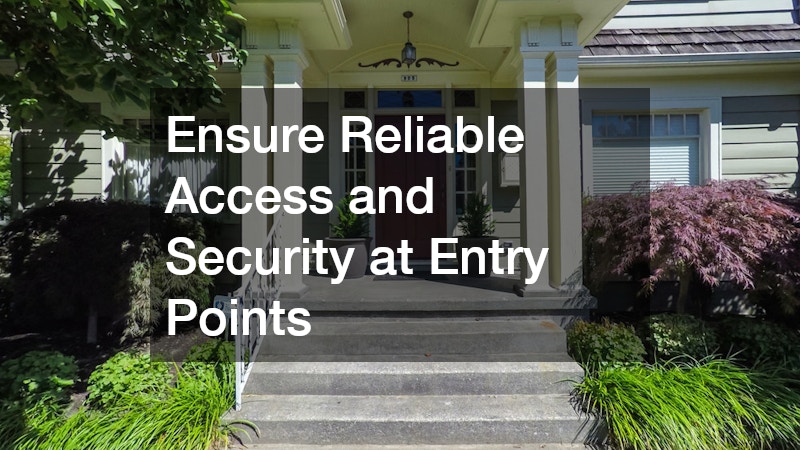
Entry systems are critical for safety, energy efficiency, and operational continuity. Malfunctioning overhead doors or loading dock systems can disrupt business operations and create liability risks.
A qualified garage door company can provide inspection, repair, and upgrade services tailored to usage demands.
Routine maintenance should include:
-
Inspecting springs and cables
-
Checking track alignment
-
Testing motor functionality
-
Calibrating safety sensors
-
Lubricating moving components
Warning signs of failure:
-
Grinding noises
-
Slow or jerky movement
-
Inconsistent remote operation
-
Visible misalignment
Upgrades to consider:
-
Insulated doors for improved energy efficiency
-
Smart openers with remote monitoring
-
Reinforced hardware for high-cycle environments
-
Integrated access control systems
Reliable entry systems reduce downtime and strengthen security.
Stabilize Soil and Prevent Foundation Damage
Soil movement and poor drainage compromise structural stability. Sloped properties and heavy rainfall increase erosion risk.
A retaining wall contractor can evaluate site conditions and recommend stabilization solutions.
Effective measures include:
-
Reinforced retaining structures
-
Improved grading
-
Drainage installation behind walls
-
Geogrid soil reinforcement
-
French drain systems
Warning signs of soil instability:
-
Leaning walls
-
Cracks in concrete
-
Pooling water near foundations
-
Bulging retaining structures
Foundation damage is significantly more expensive to repair than preventative soil management.
Maintain Safe and Attractive Outdoor Environments
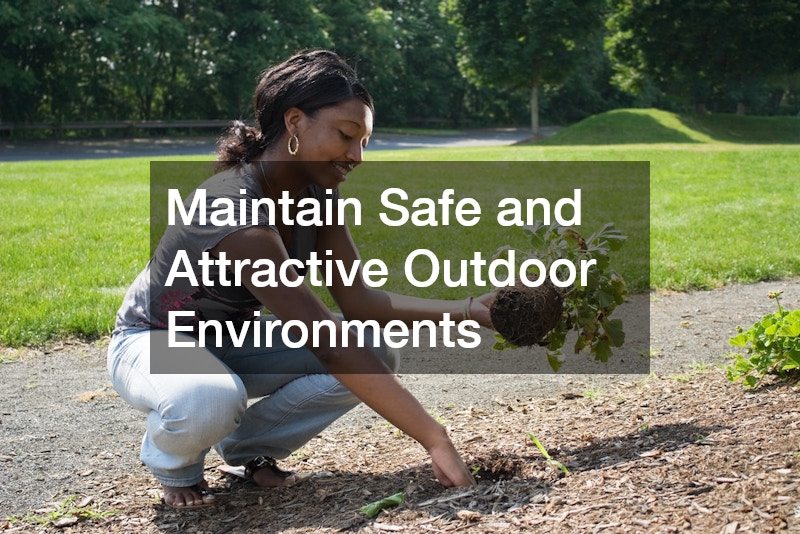
Outdoor spaces influence first impressions, property value, and tenant satisfaction. Strategic exterior maintenance enhances functionality and aesthetics.
Partnering with a professional landscaping company supports coordinated planning rather than reactive seasonal upkeep.
Key strategies:
-
Installing efficient irrigation systems
-
Selecting drought-resistant native plants
-
Maintaining consistent lawn care schedules
-
Incorporating erosion-control features
-
Upgrading exterior lighting
Benefits extend beyond aesthetics:
-
Reduced water consumption
-
Improved drainage
-
Lower long-term maintenance costs
-
Increased property desirability
Well-maintained landscapes support branding and occupant comfort.
Eliminate Environmental Hazards Before They Become Liabilities
Pest-related issues create safety and legal concerns. Nests near entrances or high-traffic areas pose injury risks.
Hiring a licensed bee removal service ensures safe handling in compliance with environmental regulations.
Preventative actions:
-
Conduct seasonal exterior inspections
-
Seal cracks and gaps
-
Remove standing water
-
Install vent screens
-
Coordinate routine pest monitoring
Proactive pest management reduces risk exposure and protects occupants.
Create a Structured Preventative Maintenance Calendar
Without a structured schedule, maintenance becomes reactive and unpredictable. A written calendar transforms scattered repairs into coordinated planning.
Include the following in your annual schedule:
-
Quarterly plumbing inspections
-
Biannual roof evaluations
-
Seasonal landscaping updates
-
Annual exterior coating reviews
-
Mechanical system servicing
-
Entry system testing
Best practices:
-
Maintain digital inspection records
-
Track warranties
-
Allocate contingency funds
-
Review insurance annually
-
Assign clear responsibility
Preventative scheduling improves budgeting accuracy and reduces emergency disruptions.
Develop a Long-Term Capital Improvement Plan
Maintenance preserves assets. Strategic improvements enhance value.
Capital planning should prioritize:
-
High-risk systems
-
Lifecycle cost analysis
-
Energy efficiency incentives
-
Phased investment over multiple years
-
Tenant and occupant feedback
High-return upgrades often include:
-
Energy-efficient mechanical systems
-
Exterior modernization
-
Drainage improvements
-
Structural reinforcements
-
Technology integration
Five-to-ten-year forecasting prevents financial strain and supports market competitiveness.
Integrate Technology for Predictive Property Management
Modern property management increasingly relies on technology to reduce risk and improve efficiency.
Smart building integrations include:
-
Leak detection systems
-
Energy monitoring dashboards
-
Access control systems
-
Automated lighting controls
-
Remote HVAC monitoring
Benefits of technology integration:
-
Real-time alerts
-
Reduced energy waste
-
Improved security oversight
-
Data-driven maintenance planning
-
Enhanced tenant satisfaction
Digital recordkeeping also simplifies insurance documentation and resale preparation.
Strengthen Vendor Relationships for Long-Term Stability
Selecting reliable service providers is as important as scheduling maintenance.
When evaluating contractors:
-
Verify licensing and insurance
-
Request references
-
Review service agreements
-
Confirm warranty terms
-
Evaluate response times
Long-term partnerships often provide:
-
Priority emergency response
-
Negotiated pricing
-
Consistent service quality
-
Familiarity with property systems
Vendor stability contributes to operational stability.
Budgeting Strategies for Sustainable Maintenance
Financial planning is central to property protection.
Recommended budgeting approaches:
-
Allocate 1–4% of property value annually for maintenance
-
Maintain a dedicated reserve fund
-
Separate operational and capital budgets
-
Forecast major system replacements
-
Review expenditures quarterly
Predictable budgeting reduces financial stress and protects asset performance.
Conclusion
Effective property maintenance is not a one-time task—it is an ongoing strategy that protects structural integrity, financial performance, and occupant safety. From mechanical systems and exterior protection to environmental risk management and long-term planning, every component of a building requires thoughtful attention.
When property owners implement structured maintenance schedules, build strong contractor partnerships, and plan capital improvements proactively, they reduce costly disruptions and strengthen long-term value.
A disciplined, preventative approach transforms maintenance from a reactive burden into a strategic advantage—ensuring properties remain safe, efficient, competitive, and valuable for years to come.
